
Tezpur : The City of Blood
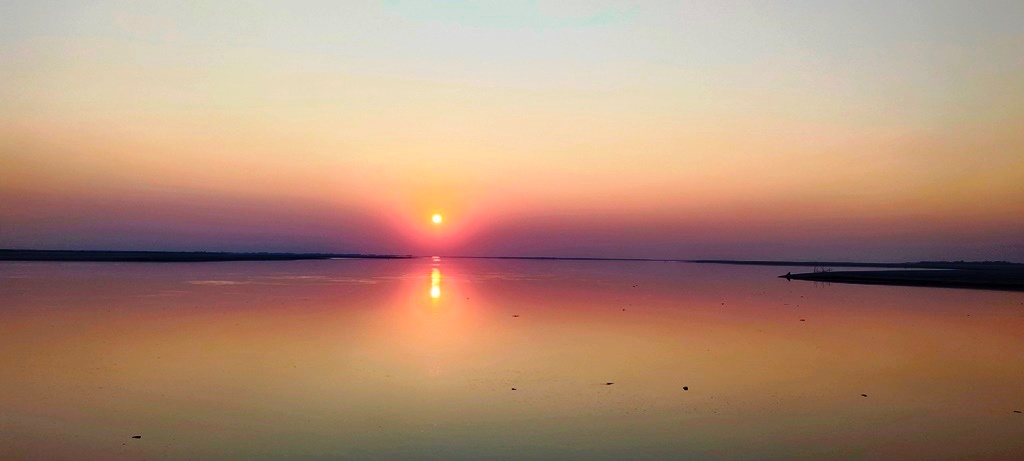
My very first posting towards North East brought me to this quaint little beautiful Assamese town of Tezpur. It’s now almost like a fully-developed city, rather than the little town, known to the outside world; but it still holds the old-town charm. As my family couldn’t join me here due to them being in Pune now, I brought my ‘other family’ along with me – my two dogs and my two bikes. To my delight, I would soon realise that this is one of the best places to be, if you are an avid traveller, and more importantly, an avid biker. This place has so much to offer, so much of varied landscapes just within few kilometres of its vicinity. While on one side, the mighty Brahamaputra flows, you have tea gardens sprawling all around the region, and on the other side the hills of Arunachal are within arms-reach, and the vast stretches of forest land and National Parks complete the big picture. I am just listing out few of the ‘day-trip’ getaways in & around Tezpur in this blog.
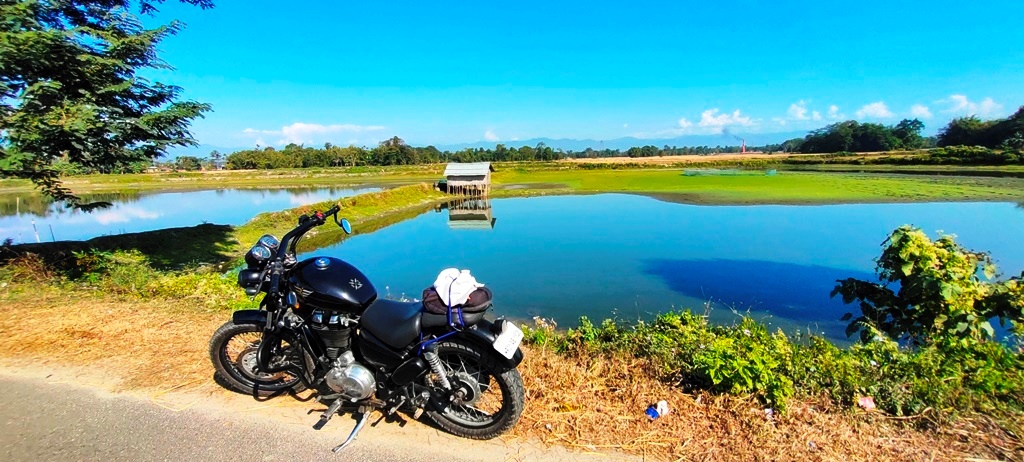
Sitting pretty between the snow-capped mountains and verdant hills of Arunachal Pradesh in the north, lush green tea gardens and national parks on the lateral sides and the mighty Brahmaputra on south, is the ancient city of Tezpur. Its name translates to the ‘City of Blood’ – a somewhat macabre name, resulting from the legend of Lord Krishna and Lord Shiva waging an epic battle with each other, which turned the place into a river of blood. The old city of Tezpur was once the British headquarters of the undivided Assam, and today the city is known for its scenic beauty, beautiful parks, pristine lakes, ancient temples and Colonial buildings. The city is accepted as the cultural capital of Assam, apart from being the gateway for travellers heading to Arunachal Pradesh. Many tourists only use this city as an entry point to visit Arunachal Pradesh, but that’s a shame, for to overlook Tezpur’s charms mean missing out on a plethora of attractions here, along with the warm and welcoming feel of the place.
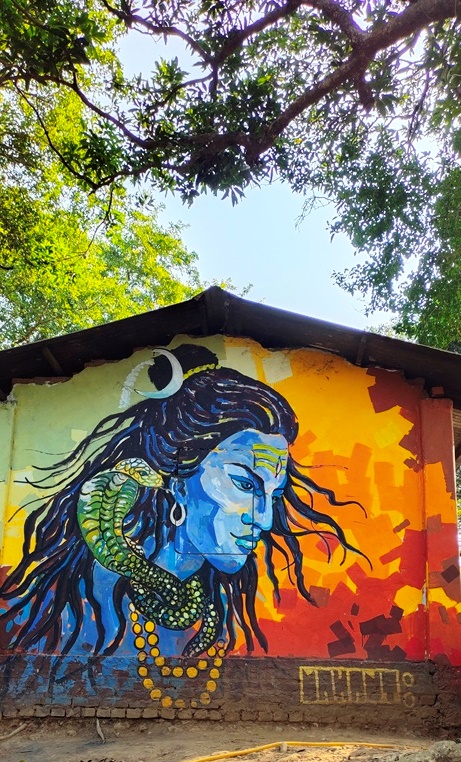
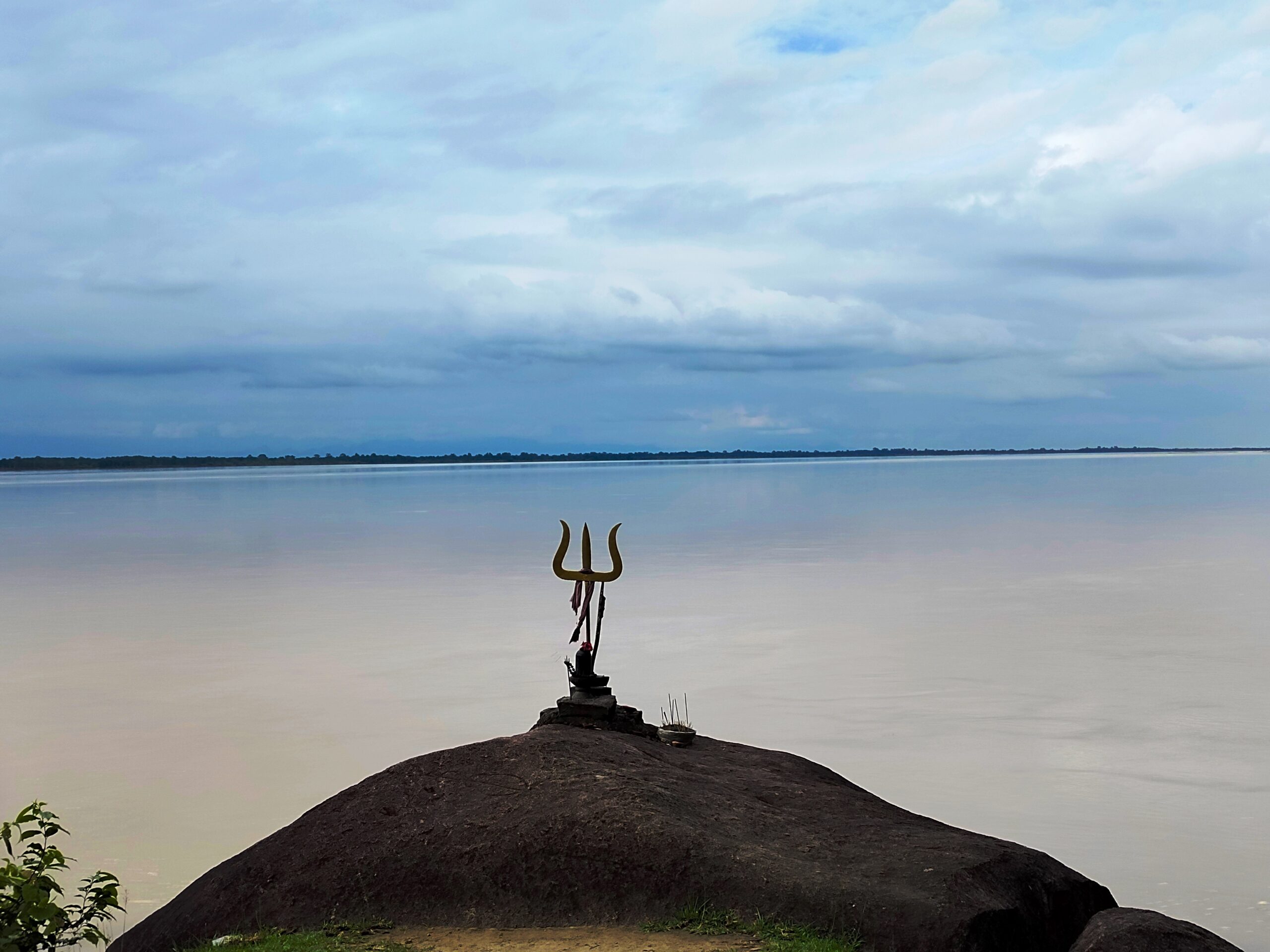
| Legend Says… As the story goes, Banasura, the king of Sonitpur, had a beautiful daughter called Usha. As tales of her beauty spread, many unsolicited suitors approached Banasura for her hand, but Banasura turned them all away and instead locked Usha in a fort of fire – Agnigarh. Usha dreamt of a young man here and fell in love with him. She narrated her predicament to her friend Chitralekha, who found out that the man of her friend’s dreams was Lord Krishna’s grandson, Aniruddha. Chitralekha transported a sleeping Aniruddha to the fort where he married Usha. When Banasura found out about this, he imprisoned Aniruddha in Agnigarh. Hearing about the confinement of his grandson, an enraged Lord Krishna attacked the fort. Realising that he was no match for Krishna’s army, Banasura, an ardent devotee of Lord Shiva, sought his assistance. What followed was a battle of the titans, between Krishna and Shiva. According to the Puranas, the battle left the entire kingdom drenched in blood; hence the name TEZPUR (City of Blood). Ultimately, with Shiva’s intervention, Krishna agreed to spare Banasura’s life. A grateful Banasura then released Aniruddha and Usha, and they left for Dwarka together. |
Temples and Ruins
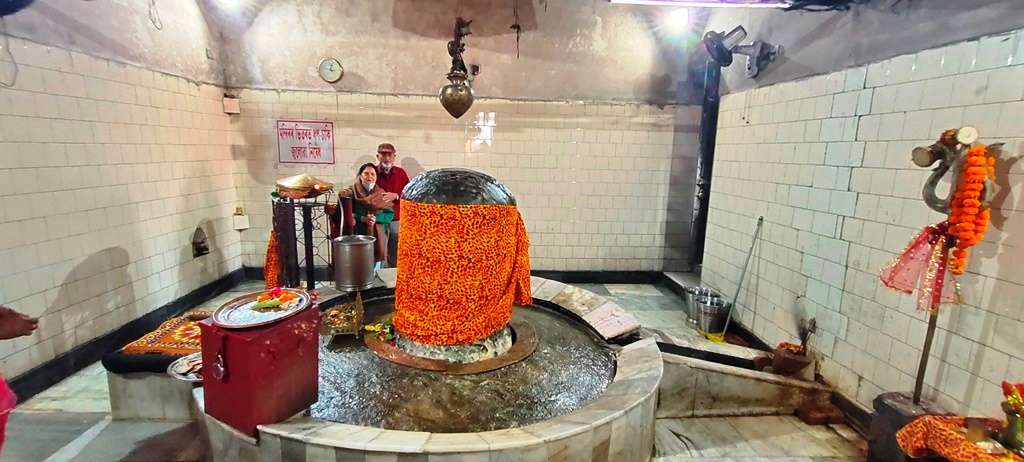
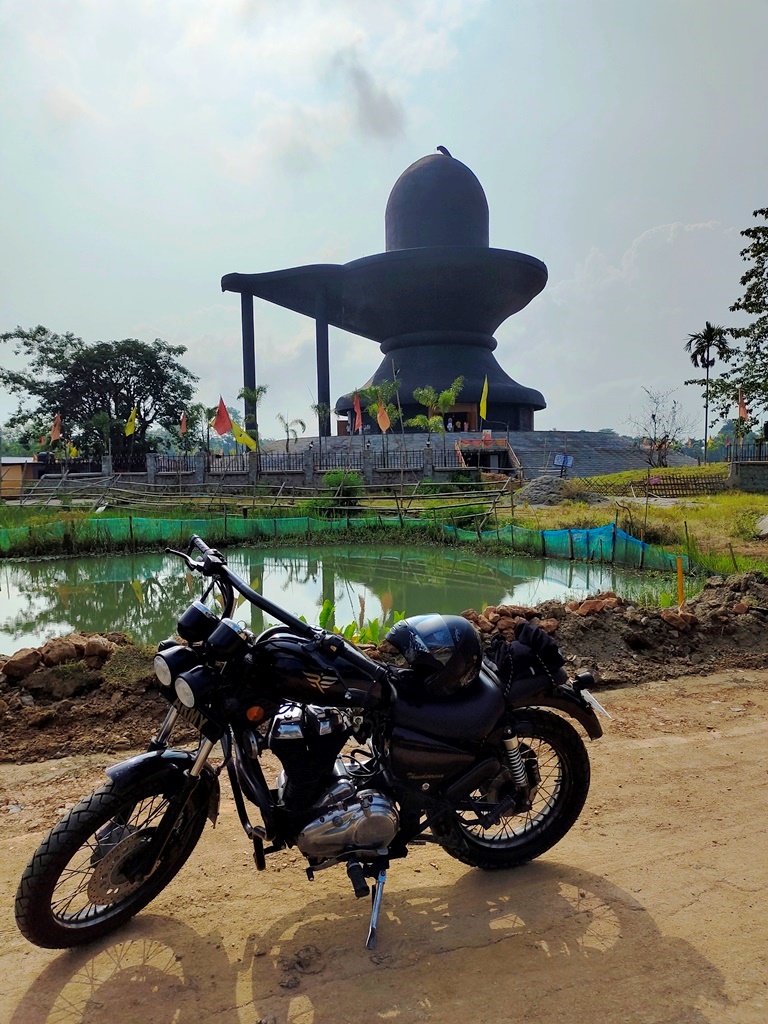
Mahabhairab Shiva Temple – Tezpur has several ancient temples and archaeological ruins in and around the city, the most famous being Mahabhairab Shiva Temple, which was built by Banasura, the king of Sonitpur. It is believed to date back to the age of Mahabharata and has a huge Shivling, believed to be made of ‘Living Stone’ which grows slowly every year.
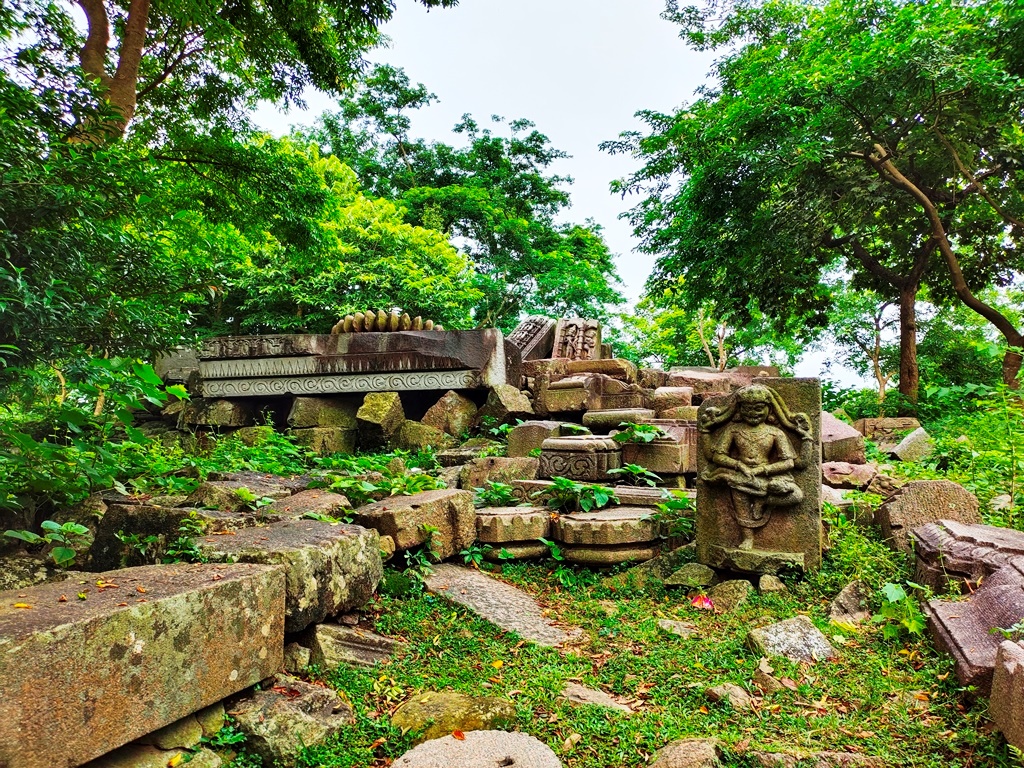
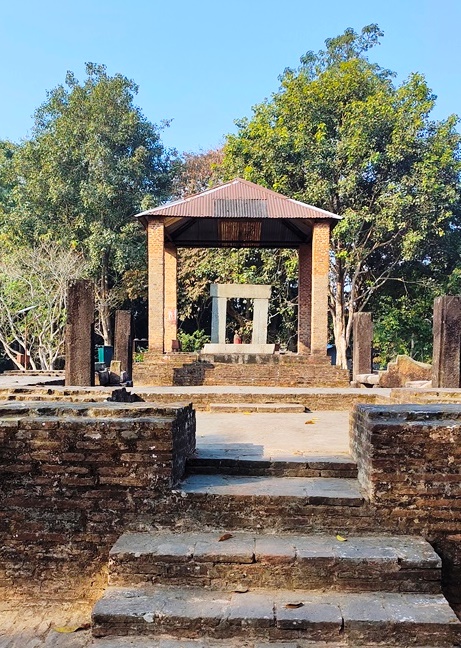
Ruins of Bamuni Hills & Da Parbatia – Tezpur’s claim of being a city of some antiquity is corroborated by several ruins here dating earlier than the 6th century, the stand-outs are Bamuni Hills and the Parbatia Gate. The temple ruins of Da Parbatia are dedicated to Lord Shiva and Lord Vishnu, and are one of the earliest specimens of architecture and stone carvings in Assam. The stone door-frame unearthed at this site is the most intricate and oldest specimen of sculptural art in this state. Bamuni Hills belong to a group of seven shrines that were dedicated to different Hindu Gods. There are stunning carvings at these ruins, which make for excellent photo opportunities.
Holeswar & Bhairabi Temples – The Holeswar Temple, dedicated to Lord Shiva, sits in a very serene complex with a water tank, and is known to be dating back to 18th century. Bhairabi Temple is dedicated to Goddess Durga and is of historical significance, known to be visited frequently by Banasura’s daughter, Usha.
Rudra
Pada Temple –
Singri
Gupteshwar Temple –
Parks and Lakes
Silghat
– Silghat is a
famous river port located on the southern banks of the Brahmaputra River, just
30-odd kms from Tezpur. A hillock named Samantagiri can be visited in Silghat
for viewing the adjoining hill ranges and tribal villages. A step back in time can be experienced with a visit
to an old jute mill here using industrial revolution technology. The good old
hemp and jute is today the biodegradable answer to substitute the notorious
plastic. The visit to the village of the plantation workers of Kaliabor Tea
Estate, who come from a tribe known as the Jhummars with their white and red
coloured dresses is another lovely living culture experience.
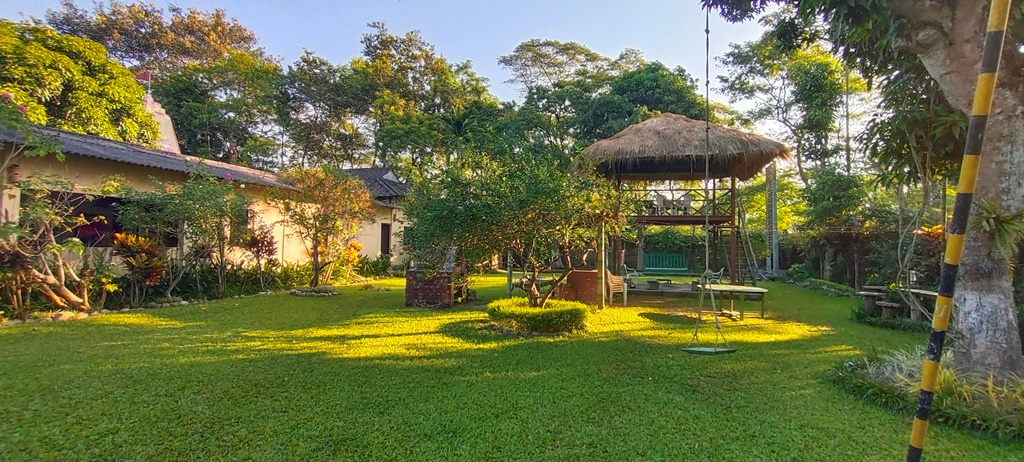
Kaziranga “6th Edition” – As unique as its name, this hidden locale was discovered on one of the random bike rides of mine. Till then it was unknown to me, that Kaziranga National Park actually extends towards the northern banks of Brahamaputra as well. Not sure for what reason it’s called the ‘6th Edition’, but this place is an absolute delight, especially for people looking for places ‘Off-the-Beaten-Track’. A beautiful stream with village fishing nets, a nicely developed park with gazebos, children play area, benches etc and a friendly forest department staff – ideal for a day picnic.
The moment anybody mentions Assam, a series of vivid images floods the mind – a vast green expanse of closely cropped tea bushes, the almost limitless stretch of majestic Brahmaputra, the formidable Indian one-horned Rhino grazing by a beel (Assam wetland) in Kaziranga and groups of splendidly dressed people dancing sinuously to the rhythms of the Bihu drum. Assam is synonymous with unspoiled natural beauty, teeming wildlife, immaculate tea gardens and warm, beautiful people. Its accessibility from the rest of the country rightly makes it the gateway to North East India. There’s so much to see, so much to do, and so much more to explore in this beautiful state and the nearby state of Arunachal Pradesh. Let’s see where all more my ‘Thunderrena’ and ‘Yeti’ can take me…!!!
One more Historic place you could visit was Naksa Parbat under Dissing-Passo circle, Pakke Kessang District Arunachal Pradesh. The place can visit via Biswanath Charali too, but more convenient as well as smoother road would be from Via Seijosa.
Rest lovely endeavors by " One Man Army ".
My best wishes to you
Beautifully penned ✍️
Me being a Tezpurian never explored Tezpur in this manner. Really enjoyed reading whatever you have jotted down. Few places even I was not aware of and never visited. Very nice.. keep exploring and sharing.
Splendid! Beauty lies in beholders eyes.