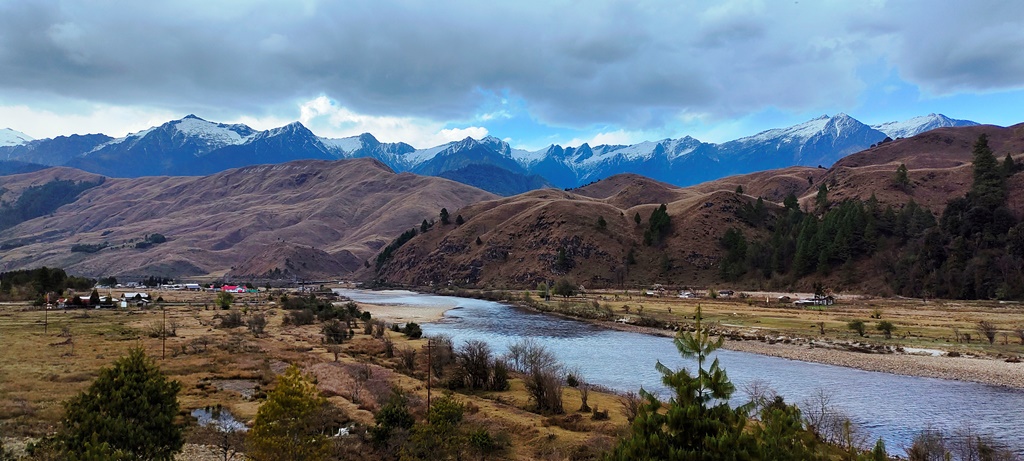
Look around you. If you find yourself amidst serene locations, cascading waterfalls, crystal clear streams, tranquil lakes, quaint hill towns, majestic mountain peaks, verdurous valleys and unparalleled aestheticism, be rest assured; you have reached Arunachal Pradesh. This treasure-cove of unmatched allure is perfectly tucked away in the north-eastern tip of India, away from all the hustle and bustle; a perfect venue for a date with nature. Most of the locations here are a pristine assortment of absolute thrill and pure bliss. Whether you are an adventurist, a spiritual enthusiast or a nature-lover, you will find all you need in ‘The Land of the Rising Sun’. The largest state in the Northeast is a sleepy giant and does not possess one uniting cultural or geographical characteristic. The topography is marked by a series of valleys that run from the Himalayas in the north to the Brahmaputra in the south, and since roads generally follow valleys, this is not a state you can traverse from east to west or laterally.
Arunachal encompasses the best of all that a traveller wants. This is a very special state that showcase the travails of history, the miracles of nature, the courage of man, and the helping hand of modern life. There are plenty of circuits to explore in this Land of Dawnlit Mountains, with Tezpur and Dibrugarh (ironically both in Assam) as the two ideal getaways to the tantalizing attractions of this remote and secluded state which has its borders with Myanmar, Tibet and Bhutan. More than 30 major tribes and many sub-tribes reside in more than 4000 scattered villages, with each tribe having distinct intuitive characteristics in terms of language, customs, spiritual traditions, social diversities and dress codes.
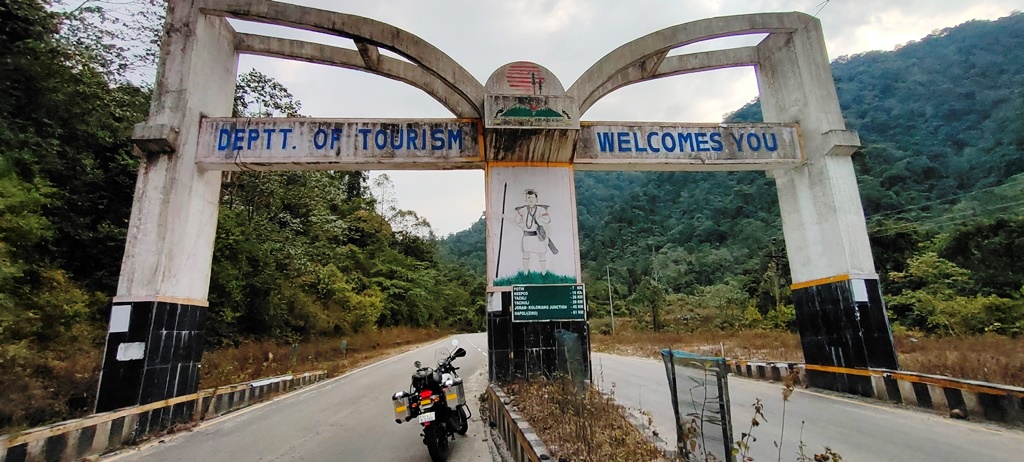
Geographically, the western and northern border areas of the state are characterised by lofty, snow-capped mountains and sparse vegetation. The central zone of the state is the easiest to access via Itanagar due to better road network. The Himalayas here give way to spectacular river valleys such as Subansiri, Siang and Dibang valleys, which are home to several indigenous tribes. Dense rainforests cover much of the eastern part of the state. This region is also one of the most inaccessible from mainland. The earliest sources of written history of this region can be found in Sutiya and Ahom kingdom scriptures of 12th to 19th centuries. In 1914, the British separated areas with high density of tribal population from the rest of Assam province and formed North-East Frontier Tract (NEFT), which later became part of Assam state post-independence. In 1954, it was renamed North-East Frontier Agency (NEFA) and declared a union territory in 1972. Arunachal Pradesh was made a full-fledged state in 1987.
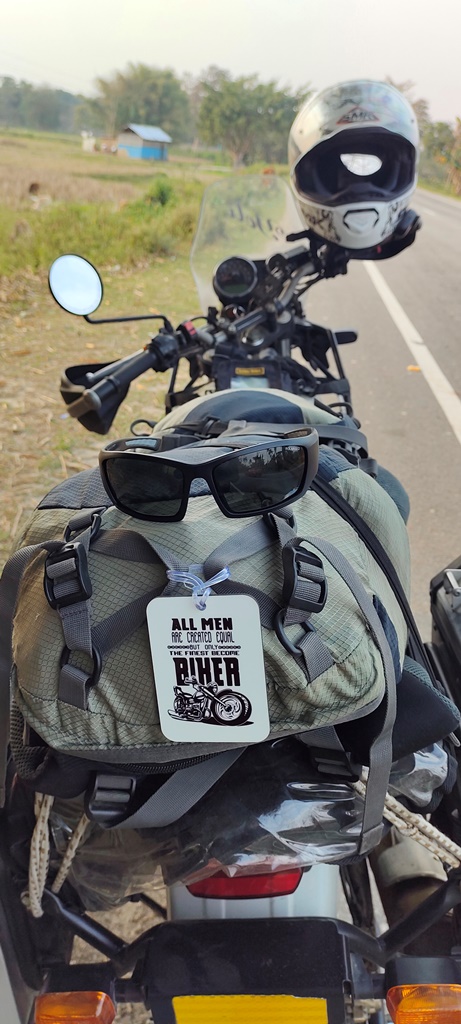
This land of Rising Sun is an absolute dream destination for motorcyclist enthusiasts, offering everything a passionate rider like me could ask for – the right mix of unadulterated adventure and mesmerising natural beauty. The geographical lay of the ground and terrain here dictates that the region can only be accessed ‘valley-wise’, and criss-crossing of these river valleys is impossible. Starting from west, the entire state is divided into five major valleys named after rivers – Kameng, Subansiri, Siang, Dibang and Lohit. Biking or road travel in Arunachal also follows the same valleys longitudinally, and that’s how I am planning to cover this picturesque state in my subsequent Blogs. I am just giving the basic introduction of these valleys and circuits that I have covered on motorcycle during various periods, ranging from 2021 up to 2026.
The Valleys & Circuits of Arunachal
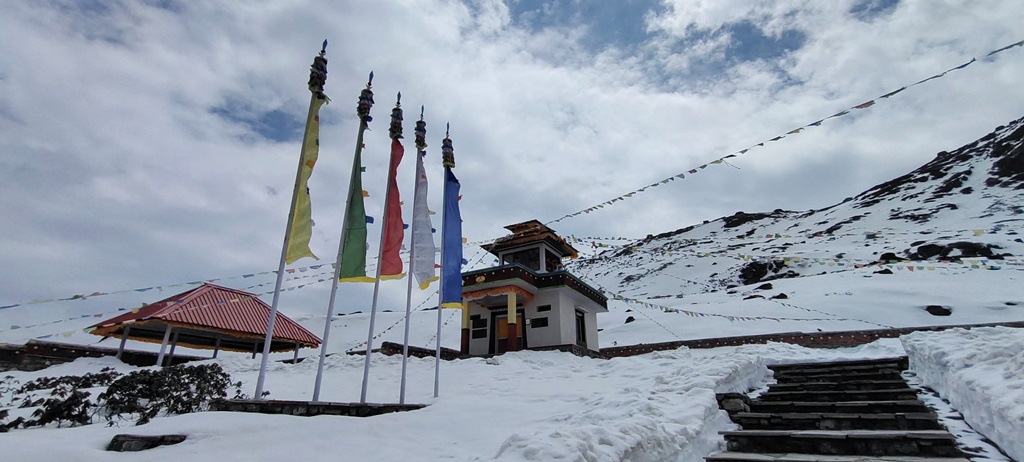
- Tawang Circuit (The Buddhist Haven) : This enigmatic place called Tawang lies in the north-western corner of Arunachal Pradesh in Kameng Valley, located close to the borders of India, Tibet and Bhutan. Merak Lama came here in the 17th century and built a monastery of the Buddhist Gelugpa sect, now said to be the biggest Buddhist monastery in India. The town below the monastery occupies a hill at 11,000 feet and has a backdrop of snow-covered mountains. Tawang becomes, most usually, the first and foremost destination of any Arunachal trip. This circuit is probably having the best road conditions as compared to rest of the state, and is famous for ‘Border Tourism’.
- East & West Kameng Circuit (Unexplored Hidden Gems) : With its evocative name, Eaglenest Wildlife Sanctuary is a microcosm of Arunachal Pradesh – spectacular scenery, pristine forests, and an incredible variety of wildlife 3500m above ground. Eaglenest hosts over 600 species of birds, the density second in the world only to the eastern slope of the Andes in South America. Along with Eaglenest, the most accessible forest sanctuary from Assam foothills is Pakke National Park & Tiger Reserve. There are many original inhabitants (tribesmen) in this region, such as the Hrusso, Nyishi and Miji, with Nyishi being the most prominent ones. Both Seppa and Sagalee, the twin hamlets, are home to Arunachal’s largest tribal group, the Nyishi. This circuit is not very well-known, and that makes it more special.
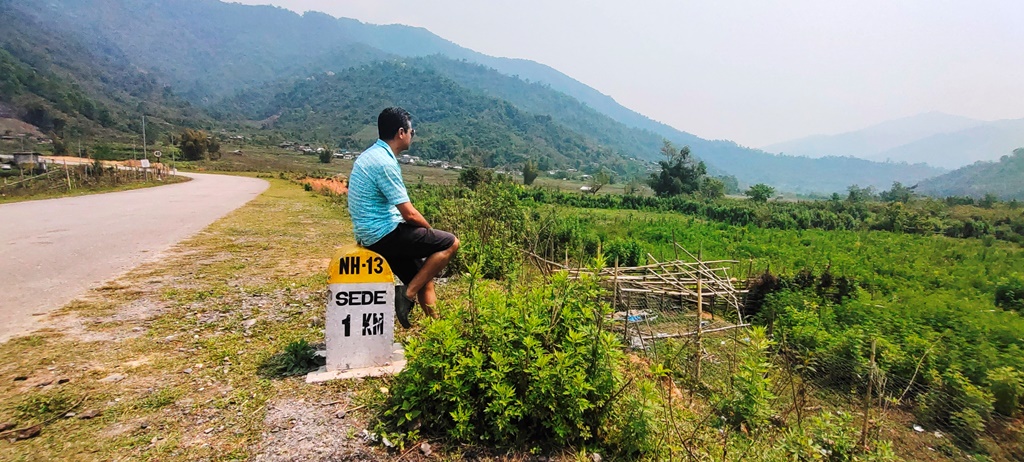
- Subansiri Valley Circuit (Apatani’s Heavenly Abode) : This circuit lets you experience a bit of all the wonders of Arunachal – from its cozy city life to its luxurious nature, from its store of scintillating adventure to its diverse tribal culture. Apart from the change of scenery, the Apatani people of Ziro Valley, their culture and cuisine are also drastically different. A brief visit to the main Hapoli market here will give you an insight into the distinct culture of this beautiful valley. Ziro Valley specifically comes alive during its famed Ziro Music Festival, but Subansiri is much more than just Ziro, with Daporijo and Takseng in Upper Subansiri offering something totally different and unique in terms of explorations.
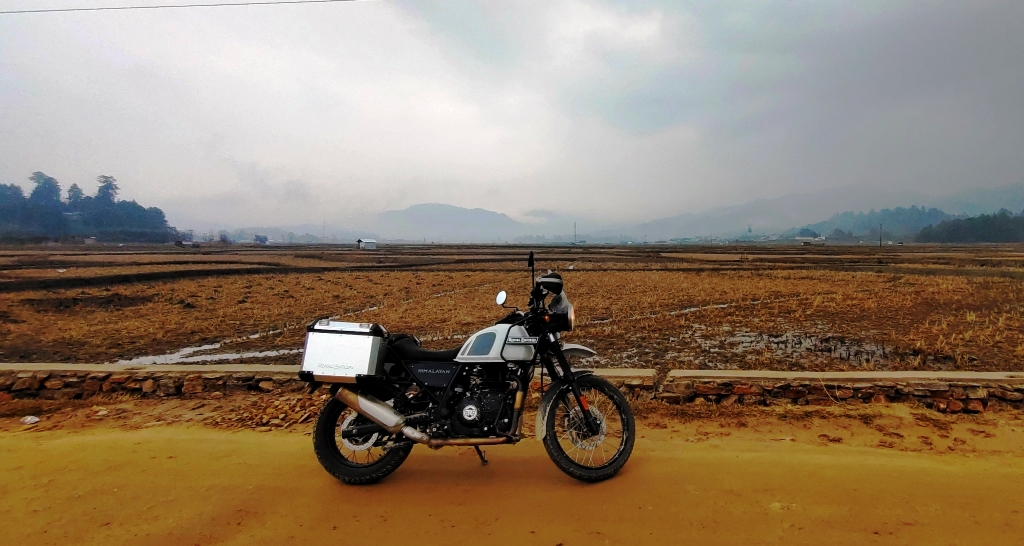
- Central Arunachal Circuit (Siang & Siyom Valleys) : Following the river bank of mighty Siang River, an uphill ride from Pasighat, which was established in 1911 by the British, is delightful and challenging as well. Siang Valley is predominantly, inhabited by the Adi tribe people, who are known for their colourful Ponung dance and war dance called Taapu. Apart from Adi’s, the region also has substantial population of Galo and Memba tribes as well. River rafting on Siang is quite the rage here among the adventurous and Daying Ering Wildlife Sanctuary is another location worth visiting. The extremely picturesque hill towns of Menchuka and Tuting are highlights of this circuit. Biking in these two valleys are as challenging as it can get anywhere in Arunachal, due to major road construction under progress.
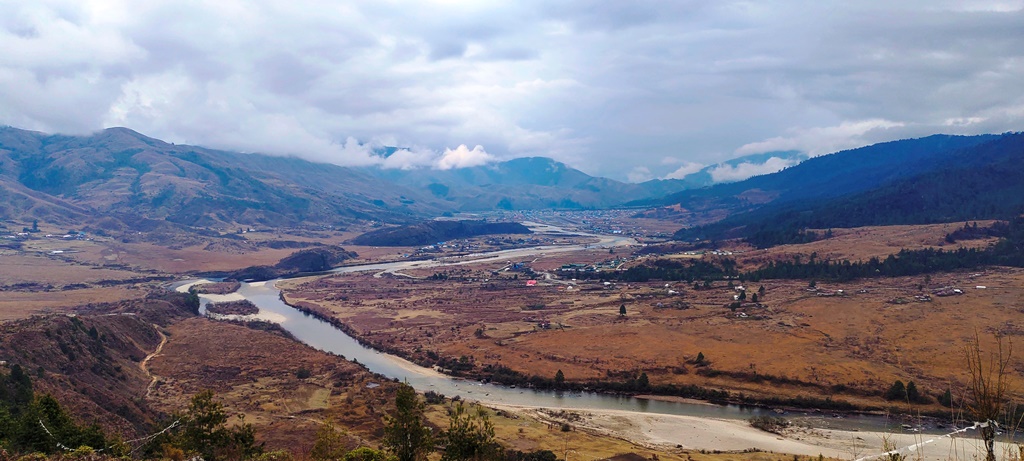
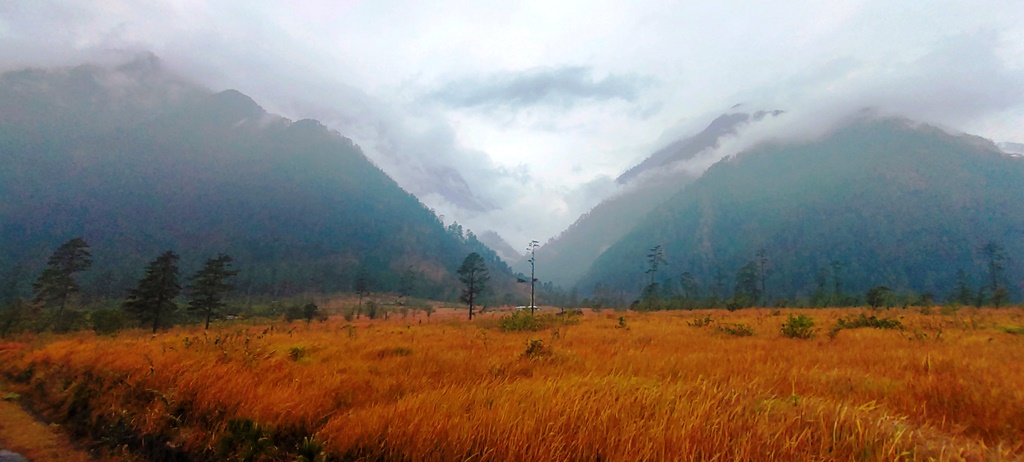
- Dibang Valley Circuit (Trekker’s Paradise) : Pasighat forms the gateway to the pristine Dibang Valley, a scenic valley carpeted with orange orchards and surrounded by majestic mountains. Dibang Valley is a place of enchanting beauty – snow peaks in view, rugged mountains, breathtaking valleys, deep gorges, mesmerising waterfalls, several natural lakes the meandering rivers & streams. Mehao Wildlife Sanctuary and Sally Lake are two nearby places of interest here, with Anini being the land of waterfalls and a major trekking hub of North East. The famed ‘Seven Lakes Trek’ takes off from Anini, which is land of Idu Mishmi tribe of Arunachal.
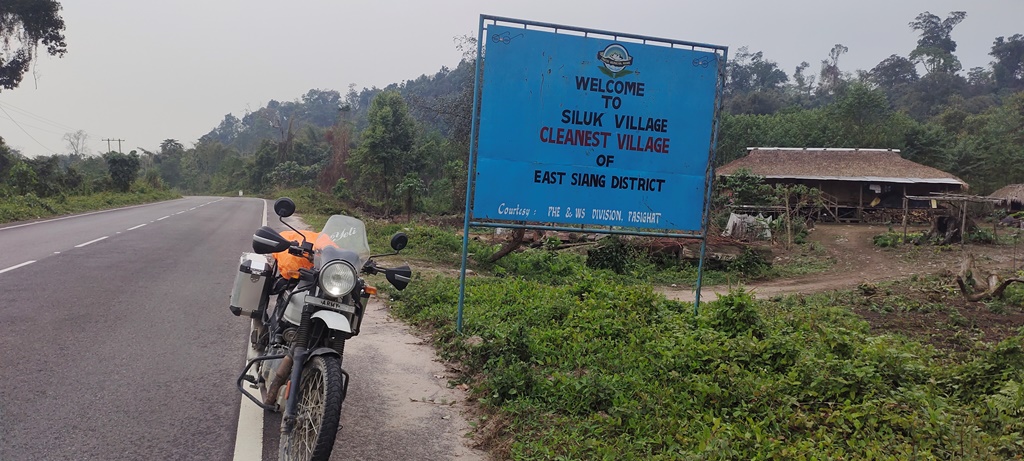
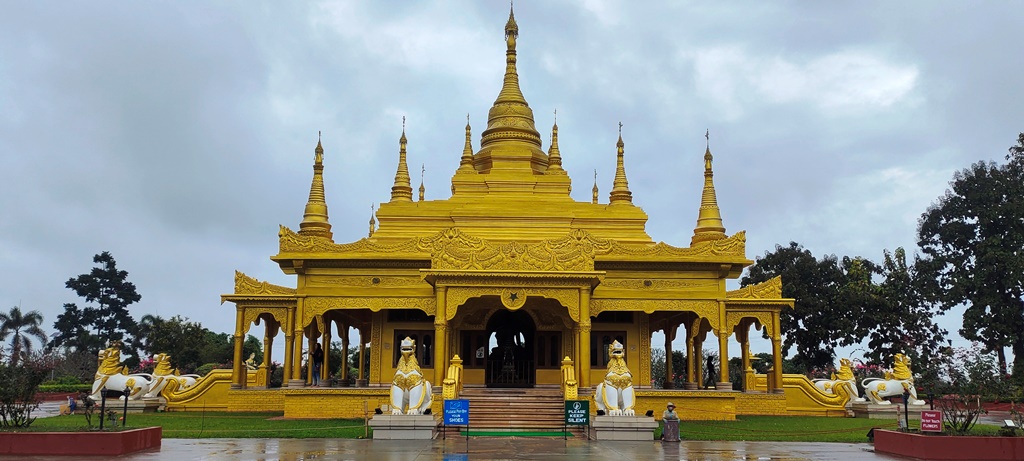
- Lohit Valley Circuit (Where the Sun Rises First) : East Arunachal’s hills and jungles bear an unlikely tracery of international conflict. After you have covered the well-known locations of Sela, Tawang and Bumla associated with the 1962 India-China war, this part of the state is memorialised in the incongruous beauty of Walong, Kibithoo and Helmet Top in Anjaw, the easternmost district of Arunachal Pradesh and easternmost part of the country. Dong Valley here is famous for being the location where the very first rays of sun falls in India. The touristy attractions of Parshuram Kund near Wakro and Golden Pagoda in Namsai wraps up the Lohit Valley trip.
- Changlang & Namdapha Circuits (Wild Wild Country) : India’s top biosphere hotspot – Namdapha National Park in Changlang district, located by the borderlands of Myanmar, is part of one of the most remote regions in the country. Miao is the small town, which is the gateway to this exceptional national park, which has its glorious environs showcasing just a sliver of a tourist zone, in spite of being vastly expansive. Home to a fabulous range of floral and wildlife wealth, this is stomping grounds of four of the great cats – the tiger, leopard, snow leopard and clouded leopard, which are found in its multi-layered climatic and altitudinal conditions. Another unforgettable part of the ride in this region is traversing through historic and somewhat infamous Still Well Road of WW-II times, all the way to Pangsau Pass and the ‘Lake of No Return’ in Changlang.
A Word on Arunachali Cuisine…
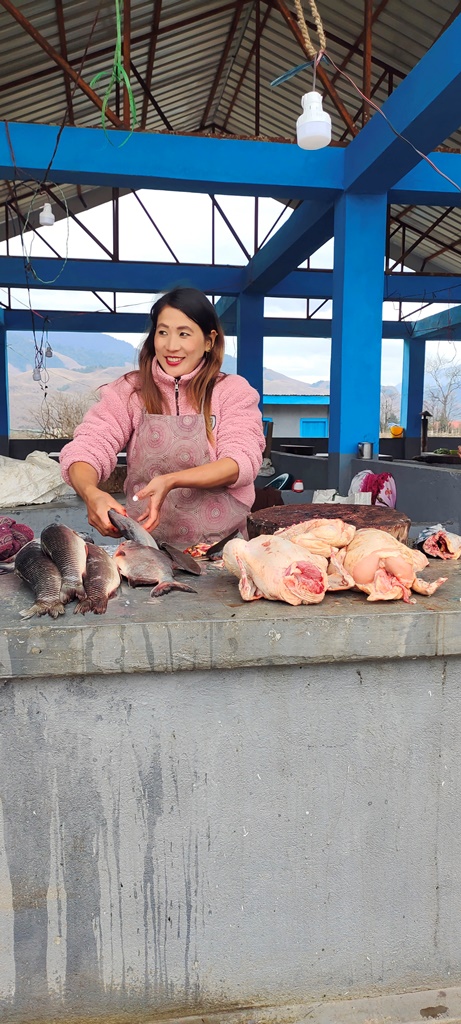
Arunachal Pradesh can easily be called the melting pot of the Northeast, with so much of diversity in tribes, their culture and livelihood. The state’s culinary heritage is composed of dishes that were majorly inspired by the migrant community. Maize, yak meat and yak cheese along with fermented soya bean are characteristic of the cuisine here. The state of Arunachal is a gastronomical delight for somebody like me who try to look even beyond the weird, freaky and exotic. In my travels, I make an attempt to accept as many invitations as I can to local lunches, dinners, parties, shamanic rituals and animist festivals. I don’t just eat there, I also try to understand what’s the history of that food and how is form part of the respective ritual or festival – overall it’s a great learning experience as well.
To understand Arunachali food, it helps to know that, in a very broad sense, this sprawling state comprises three distinct cultures. The first set could include Galo, Apatani, Nyishi and a diverse set of sub-tribes, generally known as the Adi. All of these tribes are nature worshippers and have more similarities than differences. They believe in forest spirits, practice shamanic rituals and animal sacrifice, and believe in a common ancestry with Abo Tani, a mystical being they believe to be the father of all mankind. These ‘Tani Tribes’, as they are also sometimes called, generally use a lot of fermented bamboo shoot in their cooking. This is something of an acquired taste, though I instantly loved the flavour during my two trips to Ziro Valley and my stay in Pasighat. Tani food is either stewed, steamed in wild leaves or fire-roasted, and uses a lot of local chilli. Like most tribal food, this kind of cooking depends heavily on the freshness and ingredients, the availability of forest produce and the flavour of wood fire.
A second distinct group includes Indo-Tibetan Buddhist tribes such as the Monpa, Memba and Sherdukpen from near the Bhutanese and Tibetan border areas. These communities have characteristics of the Trans-Himalayan Tantric Buddhist culture. Their cuisine has a lot of Tibetan influence. They eat varieties of dishes made from maida, such as thenthuk, thukpa and momos, drink salty butter tea, use ghee and a strongly aromatic fermented cheese called ‘churpee’ in their stews. I experienced this culture the maximum during my tenure here in northeast, at places like Tawang, Sangti and Menchuka, which has a large number of the Buddhist population.
A third broad branch of tribes from Eastern Arunachal, like the Tai Khamti and Tangsa, is more related culturally and gastronomically to Nagalnd, Burma and Thailand. This is a cuisine I explored quite a bit during my trip to the easternmost part of Walong and Kibithoo, along with Changlang district (Wakro, Namsai and Namdapha areas). Khampti sticky rice is so astonishingly delicious, it’s a dish all by itself. My favourite is khaolam – sticky rice filled in a bamboo hollow, slowly char-cooked on a fire and then pulled out to form a gooey rice tube, encased in a crispy skin by the bamboo’s inner membrane, and finally sliced into coin-shaped biscuits.
Apong is, fortunately, common to all the tribes. Many smaller tribes, of course, do not fit into these general categories, such as Idu Mishmi of Dibang Valley, known for their home-made dish called Idu Asumbi – a starchy, cornmeal-based stew made either with meat or wild leaves, bamboo shoot, schezwan pepper and a local chilli. And then there are Gandipuk Beetles, a delicacy in many parts of Arunachal Pradesh. These are found under rocks by the riverside, and their fans just can’t get enough of them – raw or toasted and crushed into a chutney with ginger, garlic, chillies and salt. On rare occasions they can also be psychotropic (probably the reason why their fans are so crazy about them), in a scary sort of way; something I was told about after having eaten them.
The Land of Rising Sun & Diverse Culture
Arunachal Pradesh is a stunning hermitage that croon stories of all kinds, where you are either climbing up or winding down hills. The beauty and the myths, the drama and the reality, of its natural setting, the traditions, customs and collective heritage of its over 110 tribes and sub-tribes of Indo-Mongoloid origin, all these are the very heart of Arunachal’s fabulous allurements. Arunachal Pradesh is among nature’s last frontiers, where Mother Earth retains its original pastures and pleasures, and where indigenous tribes still live reasonably unpolluted lives.
Early riser, Arunachal is blessed by a delightfully variegated climate – perfect for holidays any time of the year. The vast canopy of rainforest with its dynamic blend of an amazing plethora of flora and fauna makes this state an appealing destination. It is the only state that claims to have four major varieties of the big cats in its jungles – the tiger, leopard, clouded leopard and snow leopard. It’s very isolation has been a blessing in many ways, having protected it from the ills of overdevelopment and its consequent problems. Its haunting beauty has a magical charm that lures the visitor to imbibe of its natural beauty, tribal culture, craft traditions and splendid wildlife. Arunachal is vast – its terrain difficult – but vacationing here is an adventure in itself, reminding you again what a wonderful privilege it is to savour the delights of wild beauty at its very best.
Till today, Arunachal Pradesh continues to be one of the greatest and last remaining repositories of unique culture and unexplored ecological wealth. Therein lay the real charm of this place. Arunachal is the perfect example of “Shangrila – Undiscovered & Unspoiled”. Beyond the usual and more well-known, Tawang, Ziro, Tezu and Namdapha, lie truly lost worlds. In a distant corner, there’s Vijaynagar, bordered on three sides by Myanmar and accessed by air or by foot only, through hills and forests unknown. There’s Walong and the villages in the vicinity in the extreme east, with Dong valley beyond, where India’s first rays of sunshine fall, and where a bitter battle was fought in 1962. Further up, at 6000 feet, in West Siang district, is Menchukha, and much higher up from there lie the untouched beauties of Anini and Tuting. Snow-capped mountain views, 500-year old monasteries, dramatic landscapes and few visitors. So, pack your bags, leave your maps behind, and find your lost worlds.
Travel Tip : Arunachal Pradesh is a Protected Area and all visitors, both domestic and foreign must have a permit to visit. Domestic tourists need an Inner Line Permit (ILP) and foreign tourists require a Protected Area Permit (PAP). Both these permits are easily obtainable online by filling up few basic details on the internet and by uploading personal IDs in terms of Aadhar or Passport copies.
# My further Blogs will cover each Valley of Arunachal separately…In Brief.
Lovely 👌
" The state is a poem written in rivers and ridgelines,"…. Evocative writing in reverence of nature at its best.
You are doing a good job. Keep it up 👍 Regards Ninong Ering
Beauty lies in the eyes of the beholder!I am so glad to see you capture the beauty and essence of our state and put it down in so neatly in your blog.My best wishes for your new venture!
Beautifully write up and have some blast while u r here👍
Regards, always Arsang here
A beautiful piece of writing that inspires wanderlust and respect for the hidden gems of the northeast…keep sharing such wonderful journeys and experiences with the world….
A fantastic read Ashish!
My best to you on your future endeavours.
👍👍👍
Well done my dear. The lovely people of AP are thankful to you and I just want to say.."keep going boy"
👍🏻🫶🏻
What an incredilbly detailed write-up .i loved how you captured the raw beauty n culture of Arunachal.absolute gorgeous photos .can’t wait to get my backpack ready n go ,cheers 👍🤩
It was beautifully written. I just travel Arunachal through your eyes. It is so detailed about their history, geographical area, different cuisine and their culture. You covered every nook and corner of Arunachal in your blog and your travel tips are the icing on the cake.
This was such a lovely read. You haven’t just written about Arunachal Pradesh as a destination, you’ve captured its feeling, rhythm, and soul so beautifully. The way you’ve described the valleys, tribes, food, landscapes, and road journeys makes you want to pack your bags immediately and just go.
I especially enjoyed how the piece goes beyond sightseeing and really talks about culture, people, and experiences — the kind of travel that actually stays with you. Also loved the honesty and passion in your writing style. Looking forward to reading the detailed valley-wise blogs now. This was immersive, insightful, and genuinely inspiring.
Really enjoyed reading it, Sir. Your writing gives a deep insight into Arunachal and many things that we normally never get to know. I feel it deserves to be read slowly and completely to understand the beauty and depth behind it. Thank you for starting this wonderful initiative.
Sir, welcome to Arunachal Pradesh, the land of paradise. Please visit again. It is a land of rich diversity, vibrant people, and timeless culture and traditions.
This was such a beautifully written piece. You didn’t just describe Arunachal, you made the reader feel its soul. The storytelling, emotions, and vivid imagery made it impossible not to get lost in the journey. Truly one of the best travel blogs I’ve read 😊
Ur blogs are so tempting… they want u to pack ur bags n just leave.. thanks to u we cud explore part of arunachal n exerience the lovely people, their hospitality n local food.
Awesome experience book.
Dear Rai, Love reading your travel blog on your travel to North – East. Your fantastic n vivid descriptions and practical tips make me feel like I am right there with you. It is really refreshing n mind blowing to read your blog that captures the real culture, food habits and essence of a place rather than just listing standard tourist spots to be visited.
Dr DI Narkhede, Prof
College of Military Engineering Pune 31
Thank you so Much everyone…for such lovely & encouraging words…
Write up on my beautiful state Arunachal is so lovely it looks like writing your heart's inner feelings for the most beautiful Girl you ever met. May the Mountains give you back abundance of good health and Love in return.
IKEN TAO