
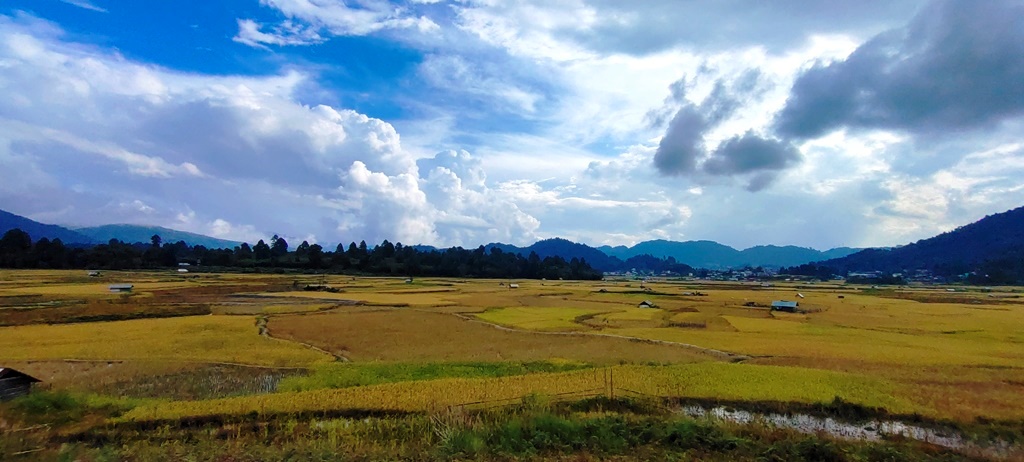
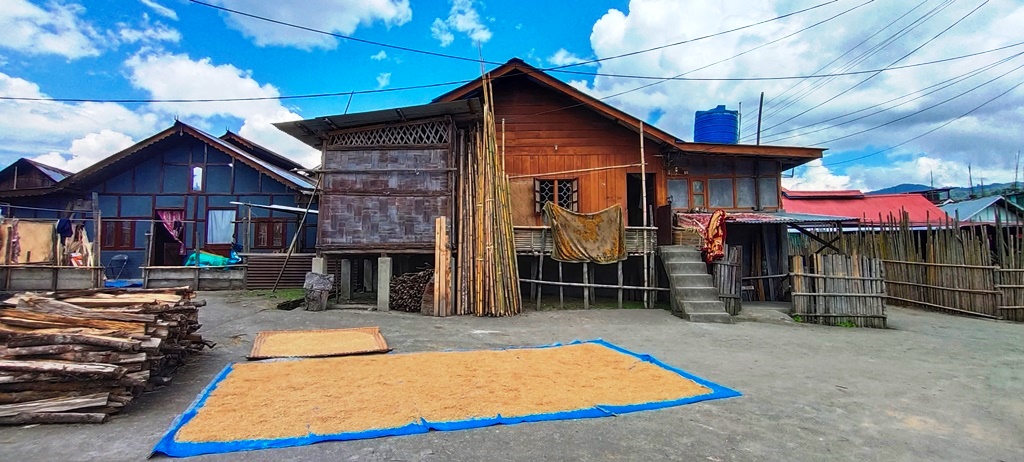
A trip to Ziro Valley is not just for any ordinary tourist – it’s for those who want to gain an understanding of the culture and lifestyle of the Apatanis, one of the most interesting tribal communities I have come across anywhere. No wonder that UNESCO has proposed the valley to be included in its list of World Heritage Sites, due to Apatani community’s high productivity and unique way of preserving the area’s ecology. They practice wetland rice cultivation and employ age-old, tried and tested methods of sustainable farming to get substantial yields without using any machines or fertilisers. In fact, this community is kind of averse to industrialisation and urbanisation, and are stubbornly sticking to their own antediluvian, well-established practices, which is what makes the Ziro Valley so unique, remarkable and beautiful. This entire region is divided into small independent villages (called bastis), in form of co-centric circular fashion with houses in the innermost circle, followed by terraced hills of paddy cultivation which are further encircled by bamboo and pine groves. You can drive through these villages to gain a keen insight into the Apatani culture and lifestyle, even better if you can get an opportunity to stay with a tribal family. Every traditional Apatani home adheres to basic guidelines for construction and design. The hearth which is the heart and soul of an Apatani home, lies in the middle of the first room or the main hall where most of the family members and guests spend most of the time. Both the family members as well as the guests congregate at this open fire place for all their meals and teas. The fireplace has a wooden double chambered wooden platforms dangling above it from the ceiling. This platform is used to keep items like cheese, knives, utensils, mugs, cups and massive meat blocks.
Apatani tribal people migrated to Arunachal Pradesh from Tibet, and initially resided on the Nago Putu, a hill near the Ziro Valley. They eventually spread across the valley due to intra-tribal feuds and set up several villages. They quickly adapted themselves to the land and started practicing agriculture, pisciculture, weaving and making bamboo handicrafts for survival. With their strong belief in practicing their age-old methods of farming and environment conservation, they have earned themselves the label of being one of the most ecologically friendly communities in the entire country. They follow something known as Neopaganism, which involves praying to trees, rocks etc. The older Apatani women are easily recognisable since they wear nose plugs and have thin streaks of tattoo lines from their foreheads down to their nose. It’s believed that this was done to make the women look ‘less attractive’ to avoid getting kidnapped during tribal wars. This practice was abolished after the 1970s when the intra-tribal wars stopped, and thus you don’t get to see the younger women of the tribe sporting these nose plugs and tattoos.
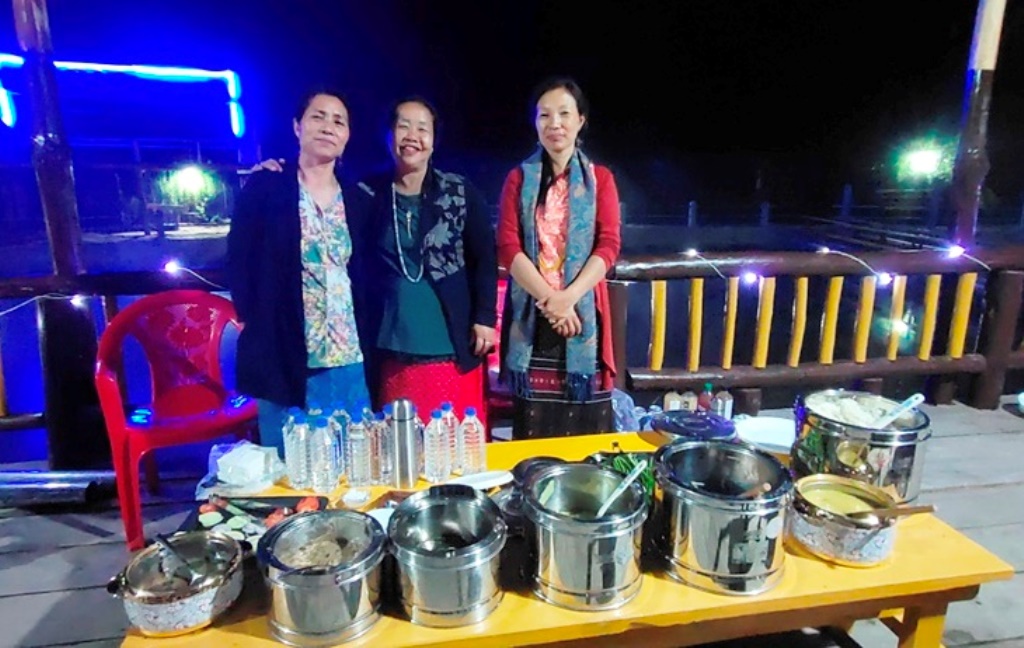
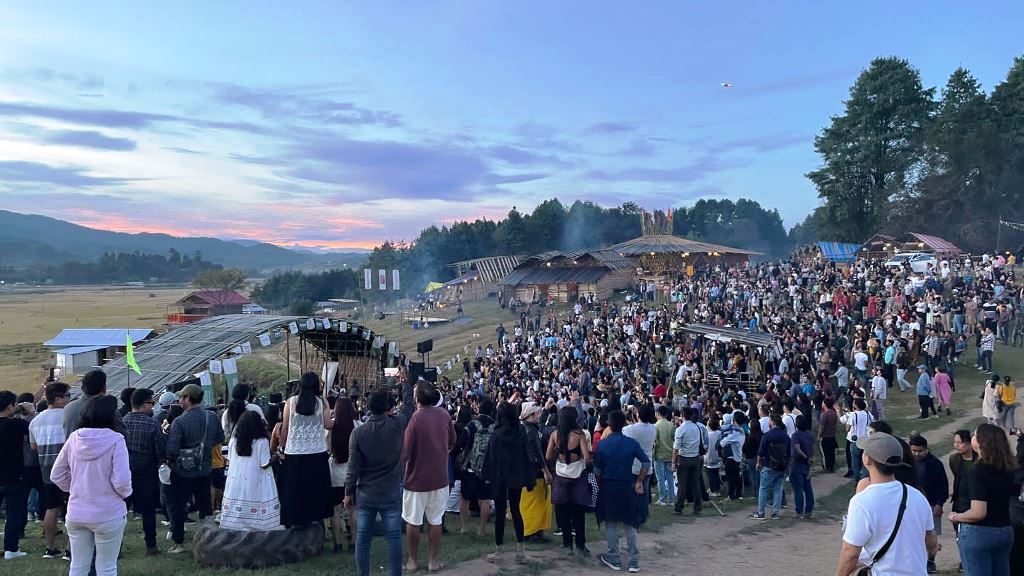
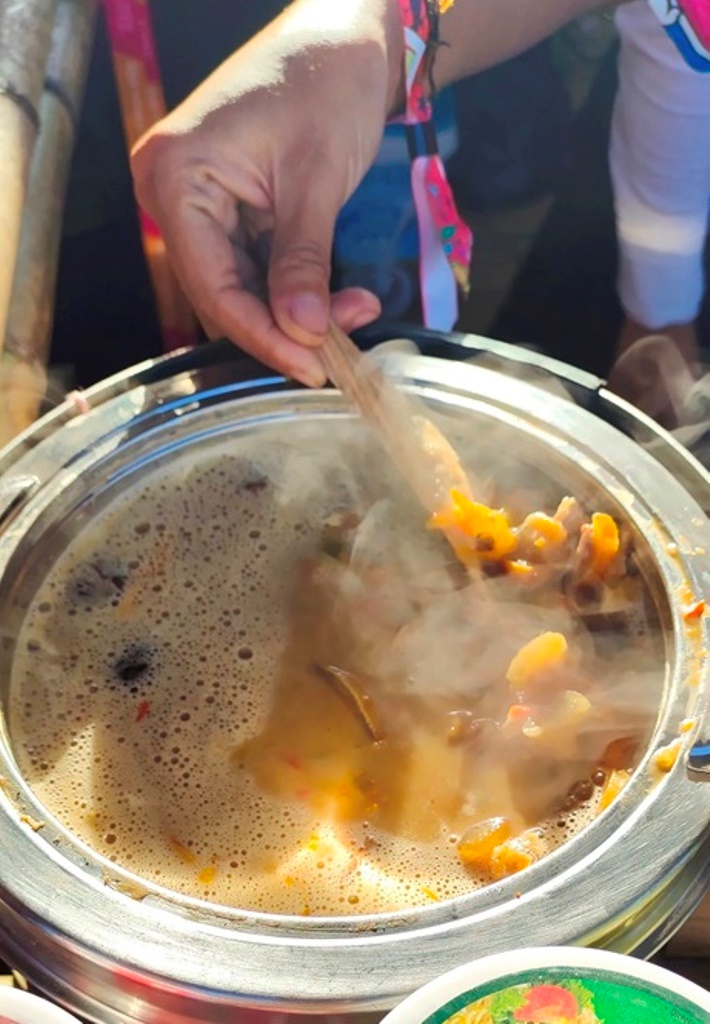
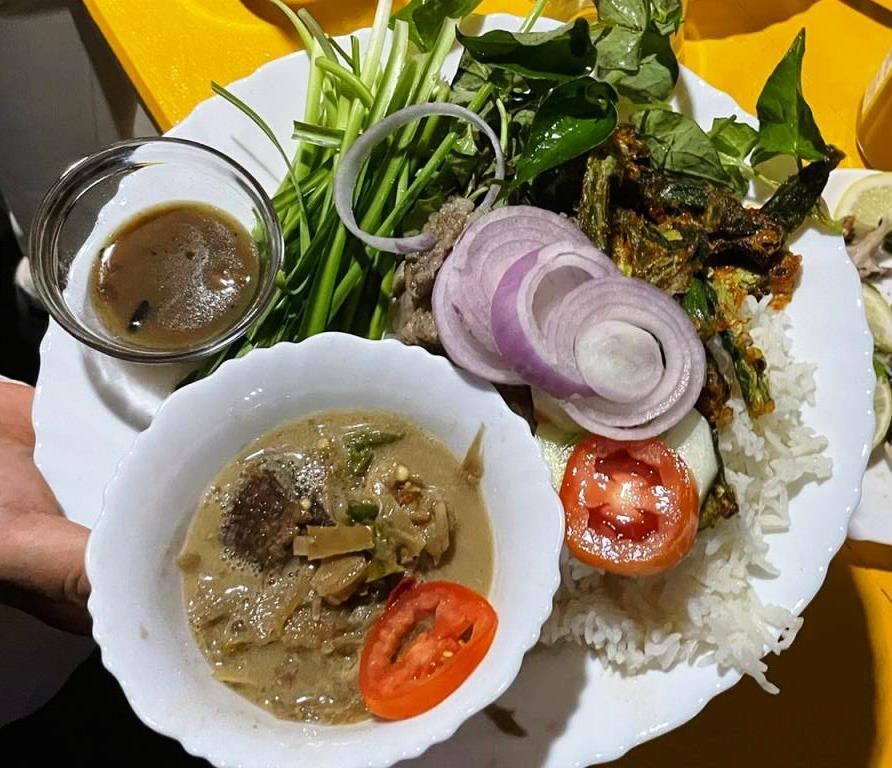
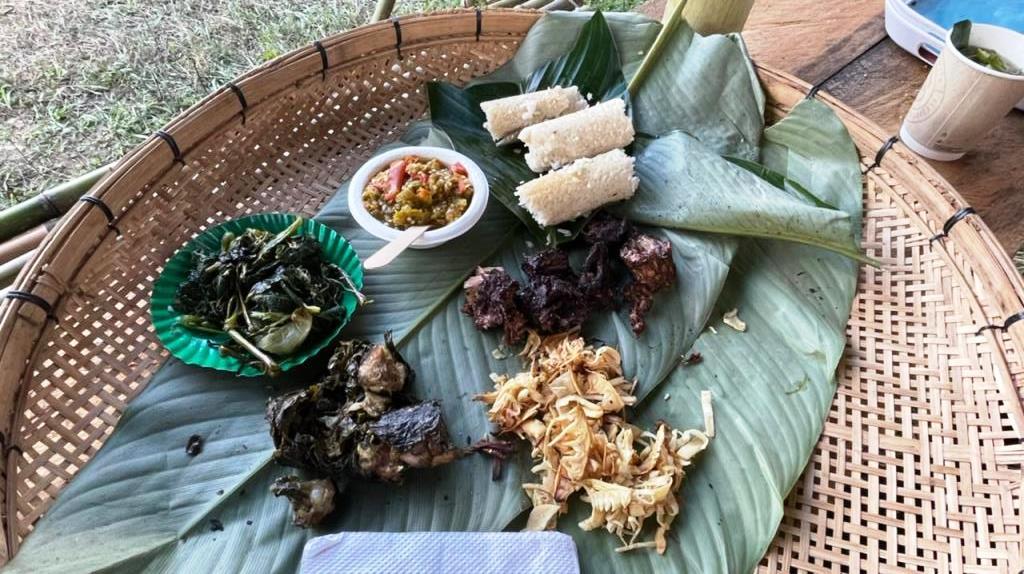
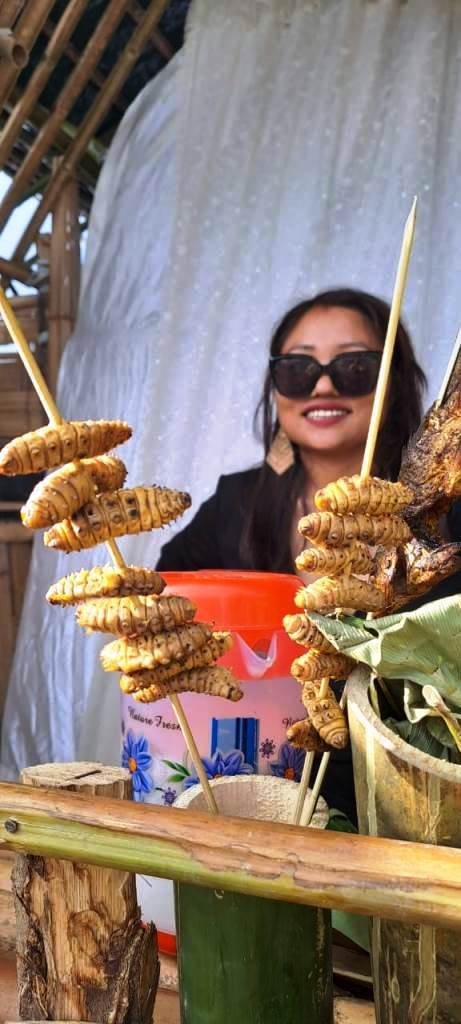
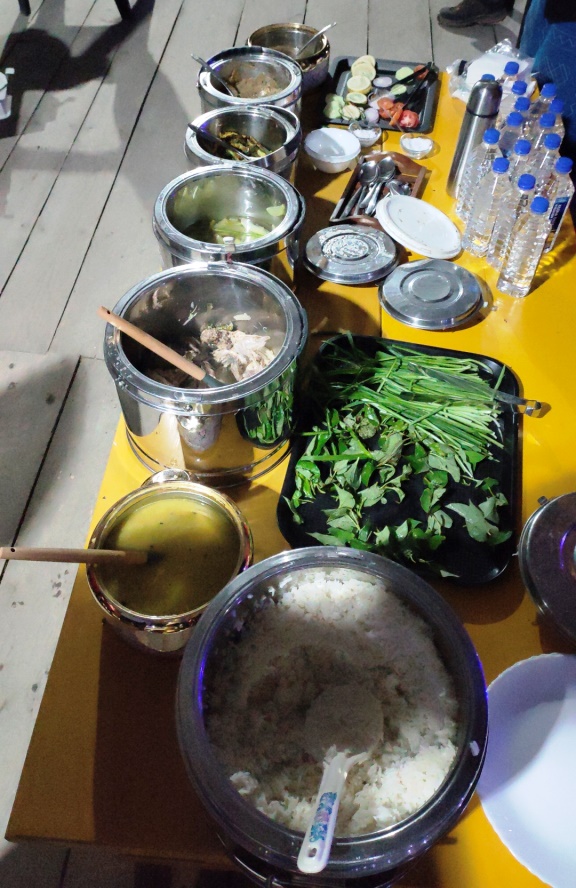
The vibe of the entire festival venue was youthful and stylish. On one side, a hungry crowd was attacking the food and drink stalls, while on the other side, the merchandise stalls were doing brisk business, with knick-knacks being sold by local tribes from Arunachal. Although the official drinks partners were Signature Whisky and Simba Beer, most of the crowd was making a beeline for the various locally-brewed drinks such as rice and millet beers. Having tried rice beers of many other hill states, I tried Arunachal version as well, called Apong, but settled for the tastier Marwa (Millet Beer). Local beer and wineof various types were on display, from Poka (Kala Apong) to Nyagrin (Rice Wine) and from Pineapple Apong to Red Rice Apong. Similarly, pork of all kinds was on offer – barbequed, steamed, in a curry, on a stick, and all of them were delicious. A little survey of few more stalls, and I came across the interesting dish on offer called ‘Mithun Pike’ – a ‘twisted’ version of the famous Apatani signature dish called Pike Pilla. The superbly flavoured stew served steaming hot out of a casserole was made using skin-fat of the giant Northeastern animal Mithun (also called Gayal), with generous amounts of bamboo shoot and the King Chilly (Bhoot Jholakia). But the highlight of the amazing gastro-experience was the uniquely-flavoured ‘Silkworms on Skewers’ and Roasted Frogs.

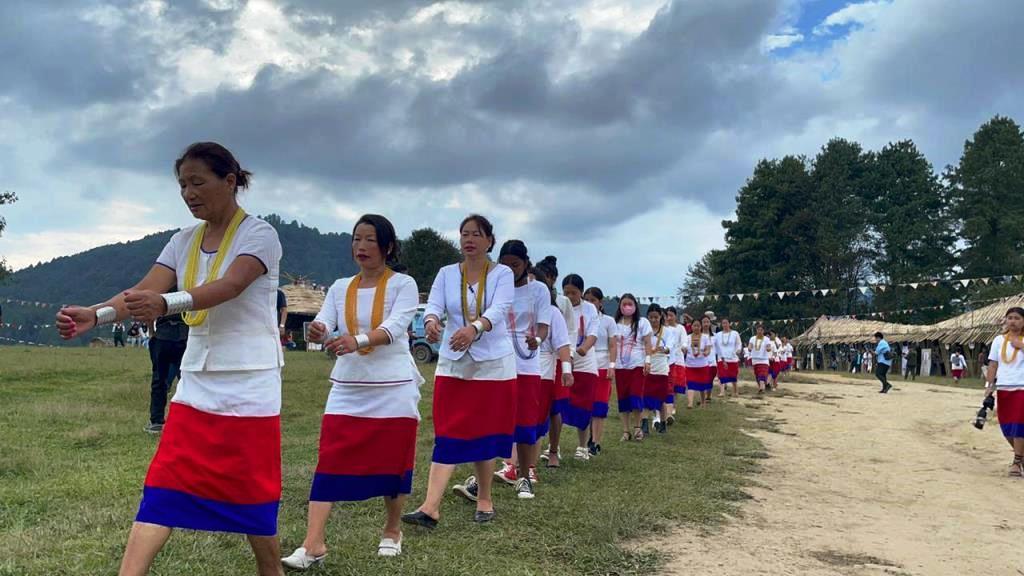
I was fortunate to find an extremely warm and equally enthusiastic
Apatani boy called Tage, who was a relative of a local Arunachali friend from
Menchuka. He picked me up from the homestay in his rickety but gritty Maruti
800 to take me around the Ziro valley, narrating almost everything about the
culture, history, food habits and unique livelihood of the local population
here. We even entered a typical and traditional Apatani house which was entirely made up of wood and built on an
elevated platform. The walls were constructed with hand woven mats and tied
together with sturdy bamboo poles. The Apatani lady, with a baby tied behind
her back in a make-shift cloth harness, welcomed us with a big smile. She
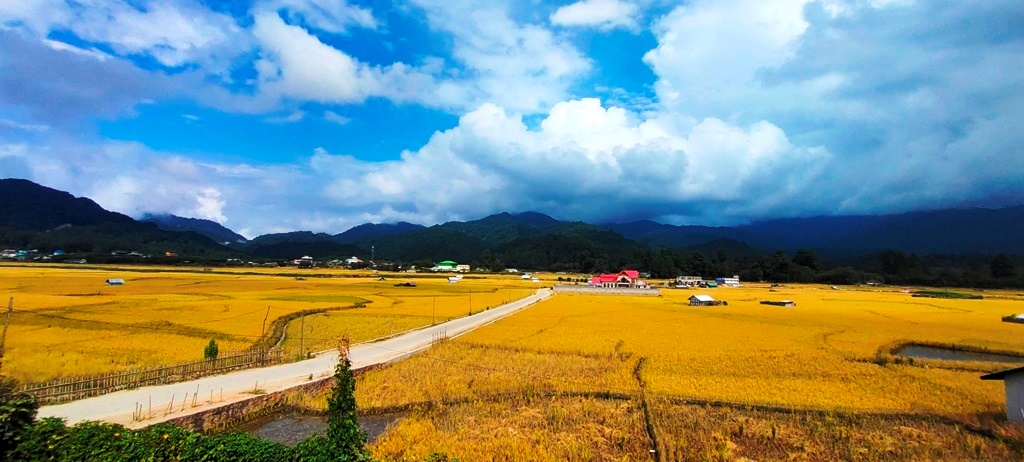
Apatani traditional community has set a group called Bogo to supervise and control the irrigation in the Ziro valley and good water management, which is essential for efficient production in the rice-fish system. These irrigation systems are managed by the traditional farmers’ group led by Bogo Ahto. In this system, water is tapped near the forest in the foothills of the valley to supply the agricultural land. The water is distributed via numerous small canals so that every plot of land is well supplied with irrigated water for rice cultivation and fish culture. This also ensures that any surplus water is drained back to the main canal without the loss of any organic manure.

A well researched deep insight into one of the many tribes of Arunachal Pradesh. Having served in Arunachal Pradesh in the early 90's, I reciprocate the feelings. Although some changes would have taken place over time. But the simplicity and hospitality of the people cannot wither away. They know how to enjoy their life as also to preserve their heritage. This blog is a must for those who wish to explore the region and make it a tourist destination. Very well written.
Thanx for d encouraging words
Enjoyed reading… I will definitely go there
A blog that almost takes you to the place and makes you know and see the culture history story of this beautiful tribe of Ziro Valley in Arunachal Pradesh.Beautifully written with pictures .A must read .
Thanx a ton
I am almost there❤️
Love the details that have been noted of the food, language, culture and the area itself.
👍😊
An interesting reading giving deep insight of the Apatani culture, traditions and values and the beauty of Ziro Valley. Most of the people are unaware of the Ziro music festival which is a grand event with lots of great artists performing. I am sure this blog will help the festival gain more importance and also make our new generation explore the unknown and hidden treasures of the East
Thanx a ton
Your lucid narration brings alive this heavenly abode before the eyes of the reader.
interesting read as always. detailed and literally takes u there.
Ashish, what a pleasure to read your travel accounts! You make the place alive for us with your words and experiences! May your travel wings take you to even more exciting places ! We will wait to read your enthralling stories ! God bless!!
Wonderful Write up giving such minute details. Tempted to attend this year. Keep writing, buddy to help guys like us.